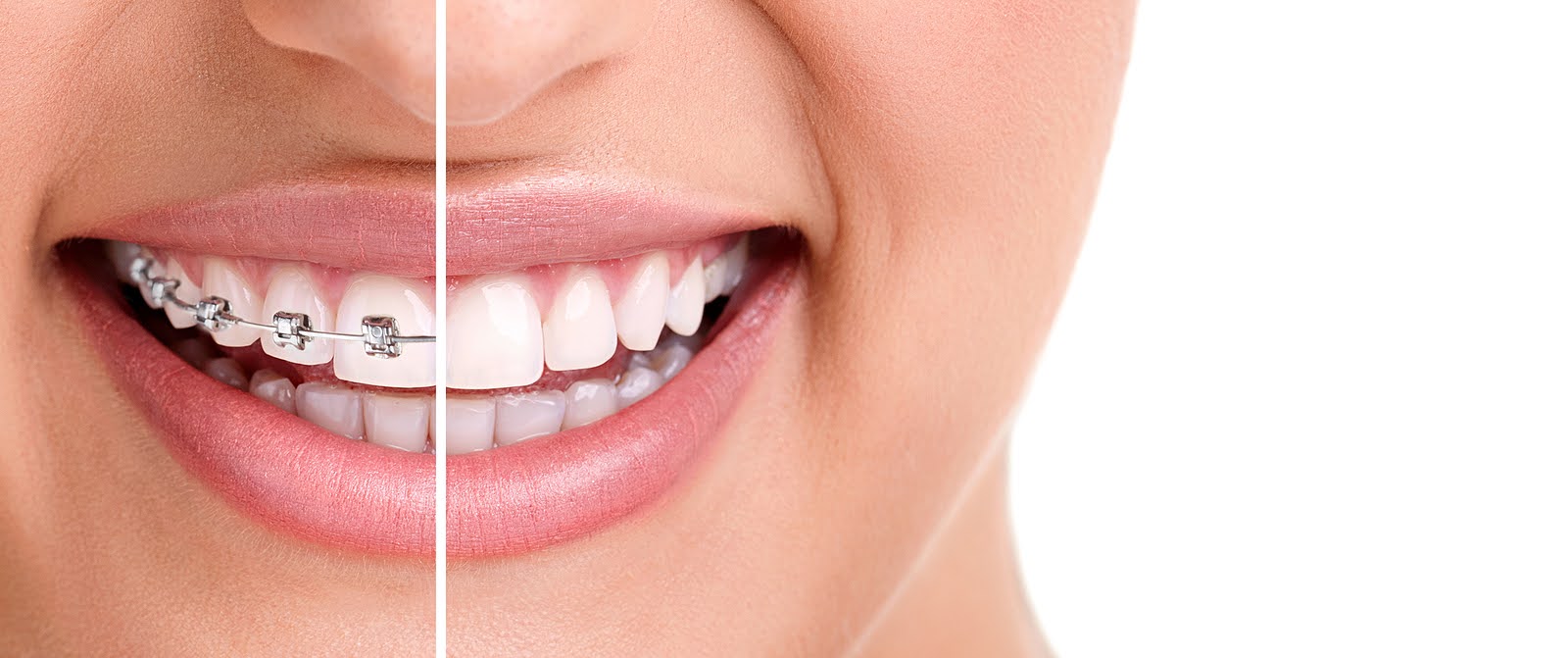
If you’re considering orthodontic treatment, one of the first questions you probably ask is: How long do you have to wear teeth braces? It’s a fair question and an important one. Braces are a commitment, but understanding the timeline can help you feel confident and prepared before starting treatment.
At Brunswick Orthodontics, patients of all ages receive personalized orthodontic care designed to deliver efficient, lasting results. While no two smiles are the same, there are common timelines and stages that most orthodontic treatments follow. This guide explains what determines treatment length, what the typical braces timeline looks like, and how you can help keep your treatment on track.
Why Braces Treatment Time Is Different for Everyone
There is no one-size-fits-all answer to how long you have to wear teeth braces. Treatment length depends on several key factors that your orthodontist evaluates during your initial consultation.
Severity of the Orthodontic Issue
The complexity of your case plays the biggest role in determining how long braces are needed.
- Mild cases include minor crowding or spacing issues
- Moderate cases may involve noticeable crowding, spacing, or bite problems
- Complex cases include severe misalignment, jaw discrepancies, or impacted teeth
The more movement your teeth need, the longer treatment typically takes.
Type of Braces Used
Different orthodontic appliances move teeth in different ways.
- Traditional metal braces are highly effective and commonly used for all levels of complexity
- Clear ceramic braces work similarly to metal braces but are more discreet
- Clear aligners are removable and work best for mild to moderate cases when worn consistently
Your orthodontist at Brunswick Orthodontics will recommend the option that best balances effectiveness, comfort, and treatment time.
Age of the Patient
Children and teens often experience faster tooth movement because their jaws are still developing. Adults can absolutely achieve excellent results, but treatment may take slightly longer due to denser bone structure.
Patient Compliance
Following instructions matters. Wearing aligners as directed, attending appointments, maintaining oral hygiene, and avoiding foods that damage braces all help prevent delays.
Average Timeline: How Long Do You Have to Wear Teeth Braces?
While every patient receives a customized plan, most orthodontic treatments fall into one of these general timeframes.
Mild Cases: 6 to 12 Months
These cases often involve:
- Slight crowding
- Small gaps
- Minor alignment concerns
Patients may see noticeable improvement within the first few months, especially when aligners are worn consistently.
Moderate Cases: 12 to 24 Months
This is the most common treatment range and may include:
- Moderate crowding or spacing
- Bite correction
- Rotated or overlapping teeth
Many patients wearing traditional braces fall into this category.
Complex Cases: 24 to 36 Months or Longer
More advanced orthodontic needs may include:
- Severe bite issues
- Impacted teeth
- Jaw alignment concerns
- Use of additional appliances
Although longer, these treatments deliver significant functional and aesthetic improvements.
The Braces Timeline: Step by Step
Understanding what happens during each phase can make the process feel more manageable.
Initial Consultation and Treatment Planning
Your journey begins with a comprehensive evaluation at Brunswick Orthodontics. Digital scans, photos, and X-rays help create a customized treatment plan and estimated timeline.
Placement of Braces or Aligners
- Braces are bonded to the teeth and connected with orthodontic wires
- Aligners are custom-made and worn in a prescribed sequence
This appointment typically takes one to two hours.
Adjustment and Progress Visits
Regular visits, usually every 4 to 8 weeks, allow your orthodontist to:
- Adjust wires or attachments
- Monitor tooth movement
- Address any concerns
Skipping appointments can slow progress and extend treatment time.
Final Alignment and Braces Removal
Once teeth are properly aligned and your bite is corrected, braces are removed. This is followed by the retainer phase, which is essential for maintaining results.
Factors That Can Extend or Shorten Treatment Time
Several habits can influence how long you have to wear braces.
Oral Hygiene
Poor brushing and flossing can lead to cavities or gum inflammation, which may delay treatment.
Broken Brackets or Wires
Eating hard or sticky foods can damage braces, leading to additional appointments and longer timelines.
Consistent Aligner Wear
For clear aligner patients, wearing trays fewer than the recommended hours per day can significantly extend treatment.
How to Stay on Schedule With Braces
Patients who finish on time typically follow these best practices:
- Attend all scheduled appointments
- Brush and floss thoroughly every day
- Avoid foods that can damage braces
- Wear rubber bands or aligners exactly as instructed
- Contact your orthodontist promptly if something breaks
Small actions make a big difference over time.
Life After Braces: Why Retainers Matter
After braces are removed, teeth naturally want to shift back. Retainers help prevent this from happening.
Most patients are advised to wear retainers full-time at first, then transition to nighttime wear. Retainer use is critical for protecting the time and investment you put into orthodontic treatment.
Frequently Asked Questions
How long do most people wear braces?
Most patients wear braces for 18 to 36 months, depending on the complexity of their case.
Can braces work faster?
Yes. Mild cases or excellent compliance with aligners and instructions can shorten treatment time.
Do adults need braces longer than teens?
Adults may experience slightly longer treatment times, but modern orthodontic techniques allow for highly efficient results.
What happens if I miss appointments?
Missed or delayed appointments can slow progress and extend how long you have to wear teeth braces.
Are results permanent after braces?
Results are long-lasting when retainers are worn as prescribed.
Start Your Braces Journey With Confidence
So, how long do you have to wear braces? The answer depends on your unique smile, but with expert care, clear planning, and patient cooperation, the process is predictable and rewarding.
At Brunswick Orthodontics, every treatment plan is tailored to help patients achieve healthy, confident smiles as efficiently as possible. A professional consultation is the best way to receive an accurate timeline and understand your orthodontic options. Contact us now for more details!